People love to use acrylic sheets in various DIY projects because of their versatility, from making picture frames to designing signage. However, cutting acrylic sheets can be a challenging task if you don't have the right tools and techniques. This article aims to provide guidance on cutting acrylic sheets and offer tips for achieving clean and precise cuts. Acrylic Sheet Cutting Tools Before we dive into the process of cutting acrylic sheets, let's first discuss the tools you'll need: 1. Circular saw or jigsaw: A circular saw or jigsaw is the most commonly used tool for cutting acrylic sheets. Make sure to use a blade with fine teeth and a low tooth count to avoid chipping and melting the material. 2. Table saw: If you have access to a table saw, it can be an excellent tool for cutting acrylic sheets. For better results, it is recommended to use a blade with a high tooth count. and slow the feed rate to prevent chipping. 3. Router: A router with a straight bit can be used to make precise cuts on acrylic sheets. However, it's not the best tool for cutting curves or angles. 4. Laser cutter: If you have access to a laser cutter, it's the most precise tool for cutting acrylic sheets. It creates a clean cut with no chipping or melting, but it's also the most expensive option. Now that you know the tools you'll need let's move onto the process of cutting acrylic sheets. Acrylic Sheet Cutting Techniques Step 1: Measure and mark the acrylic sheet Measure and mark the acrylic sheet with a ruler, measuring tape, and marker. Use a straight edge or a T-square to ensure the lines are straight. Step 2: Secure the acrylic sheet Secure the acrylic sheet to a work surface using clamps or a vise. Make sure the sheet is flat and level to prevent it from moving during the cutting process. Step 3: Choose the right tool and blade Choose the right tool and blade based on the cut you need to make. For straight cuts, use a circular saw or table saw. For curves and angles, use a jigsaw or router. Step 4: Cut the acrylic sheet Turn on the saw or router and carefully cut along the marked lines. Use a slow and steady feed rate to prevent chipping and melting of the material. If using a jigsaw, start with a pilot hole to prevent the blade from wandering. Step 5: Sand the edges Use sandpaper or a file to sand the edges of the acrylic sheet to remove any rough or sharp edges. Conclusion Cutting acrylic sheets requires the right tools and techniques to achieve clean and precise cuts. A circular saw or jigsaw is the most commonly used tool for cutting acrylic sheets, but a table saw, router, or laser cutter can also be used. Remember to choose the right tool and blade for the type of cut you need to make, and use a slow and steady feed rate to prevent chipping and melting of the material. With these tips, you'll be able to cut acrylic sheets like a pro.
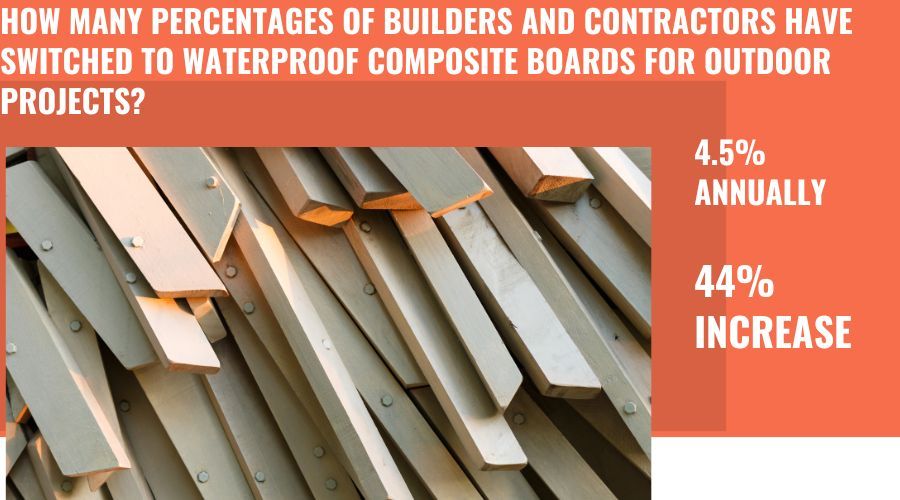
Using waterproof composite boards for outdoor projects such as decking and furniture has become increasingly popular in recent years. These boards are made of a combination of wood fibers and plastic, making them resistant to moisture and rot and more durable than traditional wood boards. However, it is important to understand just how many builders and contractors have made the switch to these materials and what factors are driving this trend. Analyzing the Data: To understand the percentage of builders and contractors who have switched to waterproof composite boards, data must be gathered and analyzed. One way to do this is through industry surveys or market research reports. These studies can provide a broad overview of the industry, including the trends in materials and the preferences of builders and contractors. Another way to gather data is through direct outreach to builders and contractors in the field. This can be done through surveys or interviews, either in person or online. These methods can provide a more detailed understanding of the specific factors that are driving the trend toward waterproof composite boards, such as cost, durability, and ease of installation. Results: Based on available industry surveys and market research reports, it appears that the use of waterproof composite boards for outdoor projects is on the rise. One report by the Freedonia Group predicts that the demand for wood-plastic composite decking and other products will grow by 4.5% annually through 2023. A North American Deck and Railing Association survey found that 44% of contractors used composite materials for decking projects in 2019, up from 28% in 2014. This indicates a significant shift in the industry toward these materials. Conclusion: The data shows that the use of waterproof composite boards for outdoor projects is increasing, with many builders and contractors making the switch. While some regional or industry-specific variations may exist in adopting these materials, the overall trend is clear. Factors driving this trend include the durability and low maintenance of composite materials, as well as the increasing availability of various colors and styles. As builders and contractors continue to embrace waterproof composite boards for outdoor projects, manufacturers and suppliers need to keep up with demand and deliver high-quality products that meet industry needs.

Polycarbonate sheets are versatile and durable plastic material. They are often used for windows, skylights, and greenhouses, as they are lightweight and have excellent UV resistance. Polycarbonate sheets are also resistant to impact and can withstand high temperatures. Polycarbonate Sheets That Are Easy to Purchase Many types of polycarbonate sheets are available on the market, and the best style for your needs will depend on the specific application. For example, if you are searching for a polycarbonate sheet for a window, you will want to choose a clear sheet with good light transmission. If you are looking for a polycarbonate sheet for a greenhouse, you will want to select an opaque sheet with good insulation properties. Purchase from any Hardware Store Polycarbonate sheets can be purchased online or at many hardware stores. When purchasing polycarbonate sheets, it is essential to measure the area where you will be installing the sheet and then buy a sheet that is the correct size. You will also need to determine the thickness of the sheet that you require, as polycarbonate sheets come in various thicknesses. Once you have purchased the polycarbonate sheet, you must cut it to the desired size. This can be done with a saw or a sharp knife. It is essential to be careful when cutting polycarbonate sheets, as they are relatively fragile. Once the polycarbonate sheet is cut to the desired size, it can be installed in the desired location. Polycarbonate sheets can be installed with screws, nails, or adhesive. It is essential to follow the manufacturer's instructions when installing polycarbonate sheets, as different types may require other installation methods. They are easy to purchase and install, and they offer several benefits over other materials, such as glass. If you are looking for a lightweight, strong, and durable material, polycarbonate sheets are a great option. The Best Polycarbonate Sheets Many different brands and types of polycarbonate sheets are available on the market, so it can be challenging to know which ones are the best. Some few factors to consider when choosing polycarbonate sheets: • Thickness: Polycarbonate sheets come in various thicknesses, from 1/4 inch to 1 inch. The thicker the sheet, the stronger it will be. However, thicker sheets will also be more expensive. • Light transmission: Polycarbonate sheets are available in transparent, opaque, and tinted colors. Clear sheets will allow more light to pass, while opaque sheets will block all light. Tinted sheets will block some light, but they will also allow some light to pass through. • UV resistance: Polycarbonate sheets resist UV rays, which means they will not yellow or fade over time. However, some polycarbonate sheets are more UV resistant than others. • Impact resistance: Polycarbonate sheets are solid and can withstand many impacts. They are often used in applications where they are likely to be hit or struck, such as windows and doors. • Price: Polycarbonate sheets can range in price from a few dollars per sheet to over $100. The price will depend on the thickness, size, and type of sheet. Once you have considered these factors, you can start to narrow down your choices. Here are a few of the best polycarbonate sheets on the market: • Lexan: Lexan is a polycarbonate sheet brand known for its high quality and durability. Lexan sheets are available in a variety of thicknesses, colors, and sizes. • Falken Design: Falken Design is another brand of polycarbonate sheets known for its high quality and durability. Falken Design sheets are available in various thicknesses, colors, and sizes. • Acrylic Sheets Direct: Acrylic Sheets Direct is a company that sells a variety of polycarbonate sheets. Acrylic Sheets Direct offers a wide selection of polycarbonate sheets at competitive prices. How to Install Polycarbonate Sheets Polycarbonate sheets are easy to install and can be done with a few simple tools. Here are the steps on how to install polycarbonate sheets: 1. Measure the area where you want to install the polycarbonate sheet. 2. Cut the polycarbonate sheet to the desired size. 3. Drill holes in the polycarbonate sheet to match the screws or nails you will use to install it. 4. Attach the polycarbonate sheet to the desired surface. 5. Seal the seams between the polycarbonate sheets with caulk or tape. Tips for Installing Polycarbonate Sheets Here are a few tips for installing polycarbonate sheets: • Use a sharp knife or saw to cut the polycarbonate sheet. • Drill the holes in the polycarbonate sheet slowly and carefully. • Use screws or nails that are long enough to penetrate the polycarbonate sheet and the surface that you are installing it.

Acrylic sheets are lightweight, durable, and highly versatile materials widely used across industries. Known for their good clarity and impact resistance, they are often used as a safer and more cost-effective alternative to glass. While many people associate acrylic with basic applications, it actually has a wide range of lesser-known uses. Here are 11 practical and innovative applications of acrylic sheets. 1. Protective Panels and Barriers Acrylic sheets are commonly used to create transparent protective barriers such as sneeze guards and safety screens. Their clarity allows visibility while providing a physical shield, making them ideal for offices, retail counters, and public spaces. 2. Kitchen Splashbacks Acrylic splashbacks are a modern alternative to tiles or glass. They are easy to install, available in various colors and finishes, and resistant to moisture and stains—making them perfect for kitchens. 3. Greenhouses and Skylights Due to their high light transmission and weather resistance, acrylic sheets are widely used in greenhouses and skylights. They allow maximum sunlight while being lighter and more impact-resistant than glass. 4. Retail Displays Acrylic is a popular choice for retail displays, stands, and product showcases. Its transparency and sleek appearance help highlight products while maintaining a clean and modern aesthetic. 5. Modern Furniture Acrylic sheets are used to create stylish and contemporary furniture such as tables, chairs, and shelves. Their lightweight nature and design flexibility make them ideal for both residential and commercial spaces. 6. Aquariums Acrylic is often preferred over glass for aquariums, especially large ones. It offers better impact resistance and can be molded into different shapes, making it suitable for custom designs. 7. Windows and Protective Glazing Acrylic sheets are used as window replacements or protective glazing in areas where safety is a concern. They provide excellent clarity and are less likely to shatter compared to glass. 8. Signage and Advertising From shop signs to illuminated displays, acrylic sheets are widely used in signage. They are easy to cut, shape, and print on, making them perfect for branding and advertising purposes. 9. Medical Applications Acrylic materials (such as PMMA) are used in certain medical applications, including lenses and protective equipment, due to their clarity, stability, and biocompatibility. 10. Lighting and Decorative Fixtures Acrylic sheets are used in lighting panels, LED diffusers, and decorative installations. Their ability to diffuse light evenly makes them a popular choice in interior design. 11. Acrylic-Based Paints Acrylic is also used in the production of water-resistant paints. These paints are durable, quick-drying, and widely used in construction, automotive, and artistic applications.
Acrylic glass sheets, also known as plexiglass or polymethyl methacrylate (PMMA), are a type of plastic that has become increasingly popular in home design. Here are five reasons why acrylic glass sheets are the future of home design: 1. Durability: Acrylic glass sheets are highly durable and resistant to damage. They are impact-resistant, meaning they do not crack or break easily. Additionally, they resist fading, yellowing, and scratching, making them ideal for high-traffic areas in your home. 2. Versatility: Acrylic glass sheets can be used in various ways in your home. They can replace traditional glass windows, as a splashback in your kitchen or bathroom, or even as a partition in your living room. They can also be used to create custom pieces of furniture, such as coffee tables or desks. 3. Lightweight: Acrylic glass sheets are much lighter than traditional ones, making them easier to handle and install. This means you won't have to worry about the added weight when installing them in your home. 4. Cost-effective: Acrylic glass sheets are significantly more cost-effective than traditional glass. They are cheaper to produce, so they are less expensive for you to buy. Additionally, their durability means you won't need to replace them as often, saving you even more money in the long run. 5. Energy efficient: Acrylic glass sheets have a higher insulating value than traditional glass, helping keep your home cool in summer and warm in winter. This can help you save money on your energy bills in the long run. 7 Creative Ways to Use Acrylic Glass Sheets in Your Home Design Acrylic glass sheets, also known as plexiglass or polymethyl methacrylate (PMMA), are versatile and durable materials used in a wide range of home design applications. Here are seven creative ways to use acrylic glass sheets in your home design: 1. Custom furniture: Use acrylic glass sheets to create custom furniture, including coffee tables, desks, and even dining tables. The clear, sleek look of acrylic glass will give your furniture a modern, minimalist feel. 2. Room dividers: Use acrylic glass sheets as a living room or bedroom partition to create privacy without blocking light. This can also be a great way to define different areas in an open-plan space. 3. Wall art: Cut acrylic glass sheets into various shapes and sizes, then use them as wall art. This can add a modern, sculptural element to your home décor. 4. Kitchen splashback: Use acrylic glass sheets as a splashback in your kitchen. They are easy to clean, heat-resistant, and will give your kitchen a modern, sleek look. 5. Window replacement: Replace traditional glass windows with acrylic glass sheets. They are impact-resistant and will give your home a modern, minimalist look. 6. Lighting fixtures: Use acrylic glass sheets to create custom lighting fixtures. This can add a modern, sculptural element to your home décor and help diffuse light. 7. Shower enclosures: Use acrylic glass sheets to replace traditional glass in your shower enclosure. They are easy to clean and give your bathroom a modern, minimalist look.
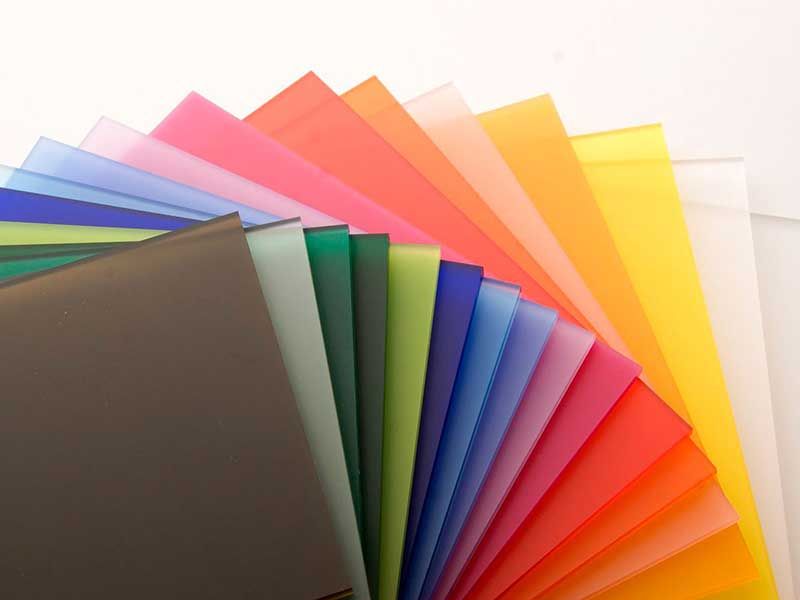
The acrylic plastic sheet is among the most common artificial substances in the world. People use it in various industries encompassing aquariums, furniture, picture frame, signage, windows, and point-of-purchase displays. It has turned out be a common name for commercial, residential and industrial purposes. As acrylic plastic sheet manufacturers have indicated, this valuable substance has many benefits: simple to fabricate, clean, shape, upkeep, machining, and sturdier and lighter than glass. Apart from that, acrylic plastic has various properties. These encompass insulating, impact-resistant, ultraviolet-resistant, weatherproof and highly transparent properties. Additionally, the acrylic plastic sheet has a nice luster and proper surface hardness and can be manufactured into different commodities as required. Its cheap and light weighted; thus it, many consumers prefer it. So how to buy high-quality acrylic plastic sheets from a plastic acrylic sheet supplier is a huge problem for several people. People need to select the appropriate acrylic plastic sheet for their projects. They can buy excellent acrylic plastic sheet from a maker with a good reputation in quality control and good customer service. This blog discusses the factors people should consider when purchasing acrylic plastic sheets. Essential Factors About Acrylic Plastic Sheets Whenever people purchase acrylic plastic sheets to fulfill their demands, there are several factors that people must consider, and quality must be their top priority. The highest quality acrylic plastic sheet is composed of a shatterproof and transparent substance that resists aging and weathering. Its thickness is an essential factor when measuring impact resistance, as thicker sheets provide more durability and strength. Acrylic plastic sheet makers suggest people select a thickness that is suitable for their application. The color of the acrylic plastic sheet also plays a crucial role in its appearance and interaction with light. People prefer the clearest acrylic plastic sheets, called Type I sheets for uses like window displays and signage where transparency is needed. The acrylic plastic sheet's clarity is another essential factor that must be considered. Ultimately, price is another essential consideration when buying acrylic plastic sheets. Whereas quality must always be people's first priority, people need to find an acrylic plastic sheet that fits within their budget. Quality Identification Tips Acrylic plastic sheets have no particular technical features, and thus they do not have fixed identification standards. The naked human eye cannot identify high-quality plastic acrylic sheets which need to be measured. Utilizing a pointer or laser level would not provide sufficient details to place the highest quality acrylic plastic sheet. People can locate acrylic plastic sheets by using different processes. This blog section discusses those methods below: 1 Light Transmittance High-quality acrylic plastic sheets feature pure white deflected ray if it comes in contact with white lights and comparatively higher transmittance. In contrast, low-quality one has blue or yellow refracted ray. A high-quality acrylic plastic sheet features a pure color, while low-quality acrylic plastic sheets feature yellow color. The color and transparency of acrylic plastic sheets help determine the quality of acrylic plastic sheets. Acrylic plastic sheet makers believe the more significant the clarity, the higher is quality. The pure white deflected ray suggests that the acrylic plastic sheet is composed of good-quality acrylic.The blue or yellow deflected ray indicates that the acrylic plastic sheet is composed of low-quality acrylic. 2 Thickness One of the essential qualities of acrylic plastic sheets is their thickness, so acrylic plastic sheet makers recommend that people be clearly aware of the required thickness and check if the thickness fulfills their needs before purchasing. Their thickness calculates a standard method of identifying high-quality acrylic plastic sheets. Nevertheless, the thickness measurement would only tell a little about the acrylic plastic sheet's quality. The difference between inexpensive and high-quality acrylic plastic sheets might be extremely subtle. High-quality acrylic plastic sheets have excellent scratch resistance performance and surface hardness, so there is no disgusting smell whenever cutting, but low-quality acrylic plastic sheet surface is simple to scratch and produces an irritating smell. 3 Burning Test The high-quality acrylic plastic sheet would not burn simply or smell unpleasantly throughout its processing. The low-quality acrylic plastic sheet might be produced with filths that would burn or result in unwanted smells. During thermoforming heating, high-quality acrylic plastic sheets will not get deformed or have bubbles, whereas low quality acrylic plastic sheet efficiently produces deformation or bubbles. 4 Baking Test People could separate high-quality acrylic plastic sheet that is softly baked even after pasting it, while low-quality acrylic plastic sheet is very tough to separate. A high-quality acrylic plastic sheet has lasting and robust adaptability to ink and paint, while a low-quality acrylic plastic sheet is extremely sensitive to ink and paint and easily produces cracks or crazes. 5 Soft Rubber Edge To avert rubbing, new high-quality acrylic plastic sheets normally are packed with soft rubber edges. Contrary to that, recycled acrylic plastic sheets usually are not packed with soft rubber edges as recycled acrylic plastic sheets normally have more excellent scratches on their surfaces. So people can identify whether this acrylic plastic sheet is a new high-quality or a recycled product by deciding whether the acrylic plastic is packed with soft rubber corners. 6 Quality Comparison While people can find several suppliers and makers that could offer the ideal acrylic plastic sheets, they must emphasize quality. Skilled high-quality acrylic plastic sheet makers typically provide actual products and samples, so people can analyze the qualities encompassing color to decide the quality and select the high-quality acrylic plastic sheet. Washing Acrylic Plastic Sheets Cleaners and harsh solvents can damage acrylic plastic sheets. People must utilize mild soap, water, and commercial plastic cleaner to eradicate debris and dirt. Whenever applying a cleaner, people must utilize a microfiber or non-abrasive lint-free cloth that will not scratch the acrylic plastic sheet's surface. People must utilize commercial kerosene for tough tar residue, oil, or grease. People should wipe clean every solvent with fresh water and blott dry to avert and decrease water spotting. Whenever washing acrylic plastic sheets, people should never utilize gasoline, carbon tetrachloride, acetone and ammonia as a washing solution. As these types of solvents can break acrylic plastic sheets.